May 17, 2022 | Scientific content
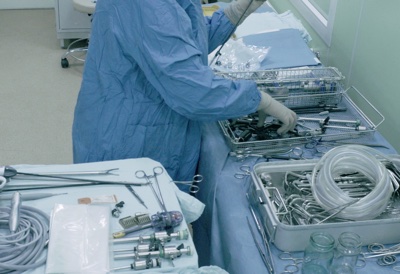
The number and types of microorganisms present on environmental surfaces are influenced by the following factors: a. number of people in the environment, b. amount of activity, c. amount of moisture, d. presence of material capable of supporting microbial growth, e....
May 15, 2022 | Scientific content
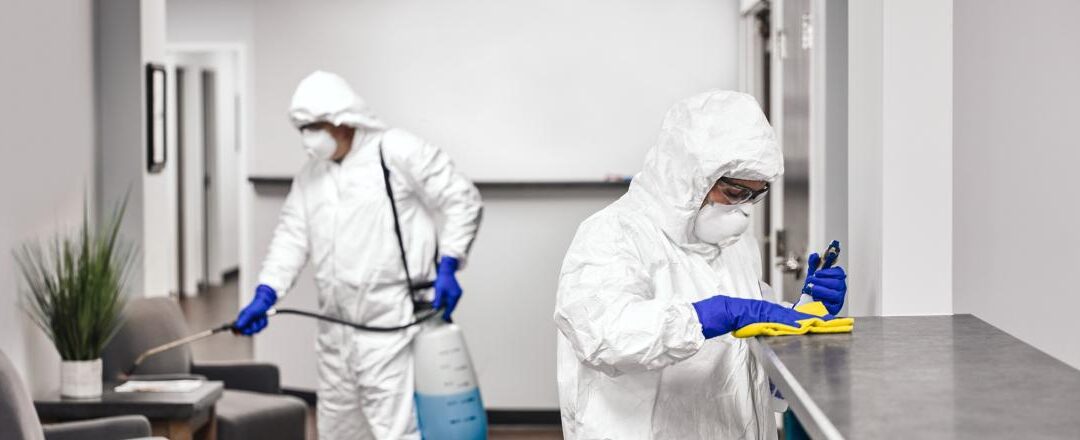
Although microbiologically contaminated surfaces can serve as reservoirs of potential pathogens, these surfaces generally are not directly associated with transmission of infections to either staff or patients. The transferral of microorganisms from environmental...
May 10, 2022 | Scientific content
In addition to using supplemental treatment methods as remediation measures after inadvertent contamination of water systems, health-care facilities sometimes use special measures to control waterborne microbial contamination on a sustained basis. This decision is...
Apr 28, 2022 | Scientific content
Other gram-negative bacteria present in potable water also can cause health-care associated infections. Clinically important, opportunistic organisms in tap water include Pseudomonas aeruginosa, Pseudomonas spp., Burkholderia cepacia, Ralstonia pickettii,...
Apr 26, 2022 | Scientific content
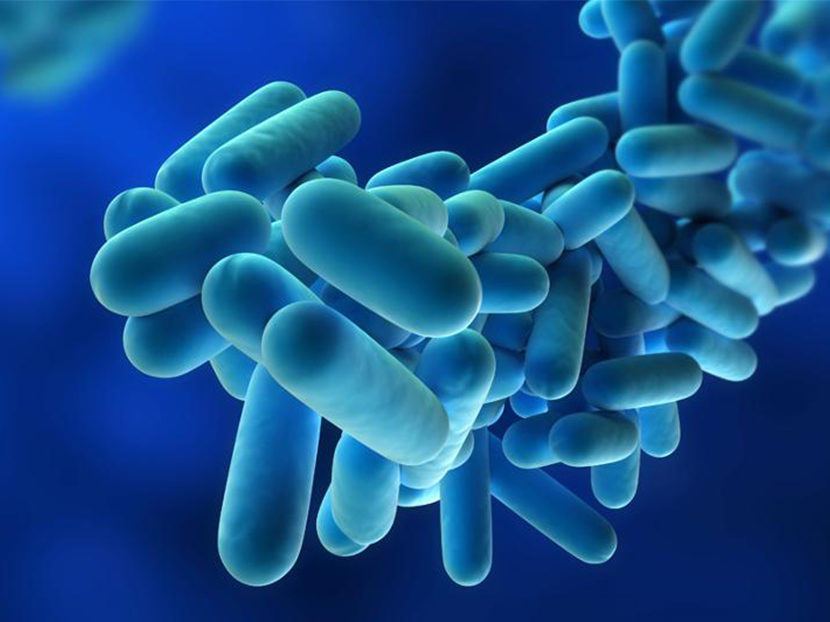
Legionellosis Legionellosis is a collective term describing infection produced by Legionella spp., whereas Legionnaires disease is a multi-system illness with pneumonia. The clinical and epidemiologic aspects of these diseases (Table 1) are discussed extensively in...
Apr 22, 2022 | Scientific content
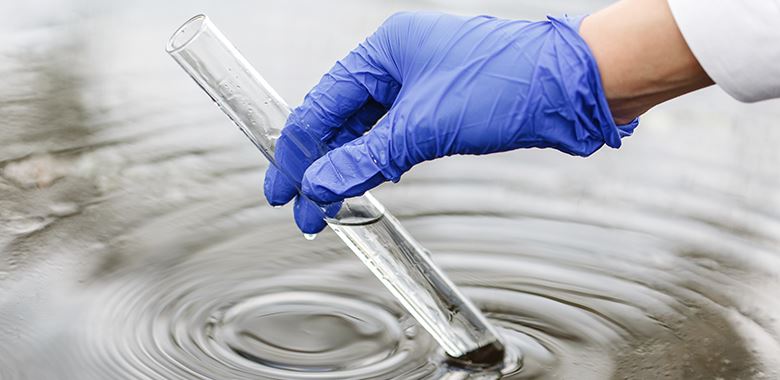
Moist environments and aqueous solutions in health-care settings have the potential to serve as reservoirs for waterborne microorganisms. Under favorable environmental circumstances (e.g., warm temperature and the presence of a source of nutrition), many bacterial and...
